For many families evaluating educational options, safety remains one of the most important considerations. Academic quality, extracurricular programs, and school culture matter, but parents also want reassurance that their children will learn in a secure, supportive environment.
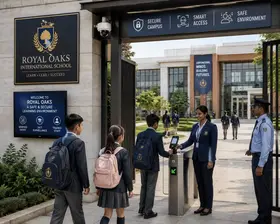
In 2026, private school safety measures extend far beyond locked doors and visitor check-ins. Schools are investing in comprehensive approaches that include physical security, emergency preparedness, student wellness programs, cybersecurity protections, and stronger communication systems with families.
While no school environment can eliminate every risk, many private schools benefit from smaller campuses, lower student-to-teacher ratios, and greater operational flexibility. These factors often allow administrators to implement safety protocols more quickly and maintain closer oversight of students and facilities.
As discussed in Why 91制片厂? Key Considerations for Families in 2025, safety and student well-being continue to rank among the leading reasons families consider private education.
How 91制片厂 Safety Measures Have Evolved
School safety expectations have changed significantly over the past decade. In 2026, private schools are increasingly focused on layered security strategies that combine prevention, preparedness, and student support.
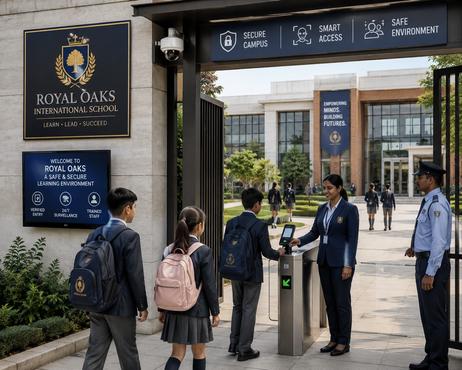
Modern private school safety measures often include:
- Controlled campus access systems
- Security cameras and monitored entrances
- Emergency response training
- Mental health and counseling services
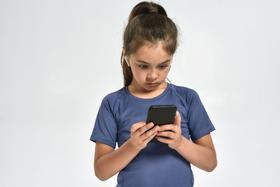
- Cybersecurity protections for student data
- Anonymous reporting systems
- Visitor management technology
- Crisis communication platforms
Many schools now approach safety as a community-wide responsibility involving administrators, faculty, parents, students, and local first responders.
According to the, school safety concerns