91ÖÆÆ¬³§

Updated
|
Navigating Scholarships and Financial Aid at 91ÖÆÆ¬³§s
A practical guide to understanding financial aid and scholarships at private schools—covering the application process, key differences between aid types, and strategies for maximizing tuition support.

Navigating Scholarships and Financial Aid at 91ÖÆÆ¬³§s

Affording private school is a major consideration for most families — but the good news is that help is often available. Financial aid and scholarships are key resources that make a private education accessible to students from a wide range of income levels and backgrounds.

Whether ²â´Ç³Ü’r±ð just beginning your school search or actively applying, understanding how financial aid works — and how to position your family effectively — can make a significant difference. This guide explains the key types of aid, how to apply, and what to expect at each step of the process.

Financial Aid vs. Scholarships: What’s the Difference?

Before diving into the process, it’s important to understand two common terms:

  • Financial Aid is typically need-based and awarded to families who demonstrate that they cannot afford the full cost of tuition. Schools evaluate your financial situation using standardized tools and documents.

  • Scholarships can be need-based or merit-based. Merit scholarships are awarded for academic achievement, leadership, athletic ability, artistic talent, or other accomplishments, regardless of financial need.

Some schools offer both types; others may focus exclusively on need-based aid. Private schools use financial aid to attract and support students who are a strong fit but may not otherwise be able to attend. The process is designed to be confidential, fair, and consistent.

Step 1: Submit a Financial Profile

. . .read more

How to Afford 91ÖÆÆ¬³§: Real Tips for Middle‑Class Families

Updated
|
How to Afford 91ÖÆÆ¬³§: Real Tips for Middle‑Class Families
Practical strategies for middle-class families to make private school affordable—covering financial aid, scholarships, tax-advantaged savings, flexible payment options, and smart budgeting tips.

How to Afford 91ÖÆÆ¬³§: Real Tips for Middle‑Class Families

Private school tuition can feel out of reach for middle-class families—especially with rising costs and competing financial priorities like housing, healthcare, and college savings. But affording private education isn’t just for the ultra-wealthy. With planning, resourcefulness, and awareness of available support, many families successfully enroll their children in private or boarding schools without compromising their long-term stability.

This guide shares real-world tips and strategies to help middle-income families bridge the affordability gap and access the benefits of private education.

Understand What ³Û´Ç³Ü’r±ð Really Paying For

Start by knowing what tuition does and does not cover. Some schools include books, technology fees, meals, and extracurriculars in the base cost; others bill these separately. Ask for a comprehensive breakdown of tuition and additional expenses so you can compare schools and budget accurately.

And remember: the listed tuition isn’t always what most families end up paying. Learn to assess the true cost of private school beyond sticker price—this goes beyond tuition to include incidental fees and hidden expenses (such as books, technology, trips, and activities).
Consider reading Navigating 91ÖÆÆ¬³§ Finances: A Parent’s Guide to get an in-depth look at what tuition covers and how costs are calculated.

Take Advantage of Financial Aid

Financial aid isn’t reserved for low-income families—many middle-class households qualify too. Schools typically require income statements, tax returns, and a third-party assessment (like SSS or FACTS). Aid programs often operate on

. . .read more

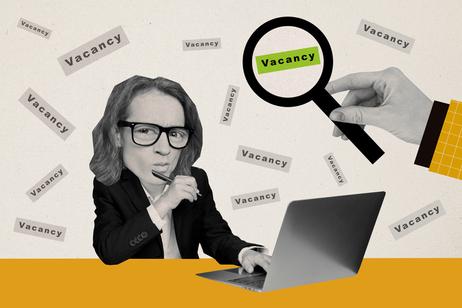
The 91ÖÆÆ¬³§ Job Hunt: Insider Tips for Employed & Unemployed Educators

Updated
|
The 91ÖÆÆ¬³§ Job Hunt: Insider Tips for Employed & Unemployed Educators
Navigating the private school job market? Whether you're employed or unemployed, the right strategy can make all the difference. This article breaks down essential steps to keep your resume sharp, expand your network, and stay visible in the education community. Learn insider tips to position yourself for success in private schools.

Whether ²â´Ç³Ü’r±ð currently employed or navigating the job market, landing a private school position requires strategy. Here’s how to stay competitive, visible, and prepared, no matter your career stage.

1. Keep Your Resume & CV Updated

Your resume is your first impression. Make sure it’s polished and current.

  • Tailor it for private schools. Highlight relevant experience, certifications, and leadership roles.
  • Maintain a detailed CV. Include publications, presentations, and professional development.

2. Engage in Professional Communities

Networking is essential in the private school world.

  • Join online education forums, but skip Facebook; focus on LinkedIn and specialized educator groups.
  • Attend workshops & conventions. Regional and national events keep you connected and informed.

3. Publish, Perform & Present

Visibility matters. Make sure the right people know who you are.

  • Write articles, give talks, or perform in your field. Schools value educators with a strong presence.
  • Contribute to professional publications. This boosts credibility and expands your network.

4. Keep Your Skills Sharp

Private schools seek dynamic, adaptable educators.

  • Stay current with technology. Smartboards, tablets, and online learning platforms are standard.
  • Expand your expertise. Specialized skills in STEM, the arts, or languages can set you apart.

Final Thought: Be Proactive & Visible

Whether employed or unemployed, your reputation and readiness determine your success. Stay engaged, keep learning, and position yourself as a top candidate in the private school job market.

I speak from my own personal experience, having looked for a new job while I still had one, and also while I was unemployed. It can

. . .read more

How to Secure a 91ÖÆÆ¬³§ Job When You're Unemployed Without the Stigma

Updated
|
How to Secure a 91ÖÆÆ¬³§ Job When You're Unemployed Without the Stigma
Finding a private school job while unemployed can be tough, but it doesn't have to hold you back. This article breaks down networking strategies, ways to stand out, and smart approaches to keep your confidence strong. Learn how to turn setbacks into strengths and secure the right opportunity—without the stigma.

How to Secure a 91ÖÆÆ¬³§ Job When You're Unemployed Without the Stigma

Being unemployed isn't ideal, but it doesn't have to define your job search. Private schools value qualified, proactive educators, and with the right approach, you can turn challenges into opportunities.

1. Leverage Your Network. It's Your Best Asset

Your network is your gateway to opportunities.

  • Tap into connections: former colleagues, mentors, and professional groups.
  • Stay visible: attend private school events, engage in online forums, and reach out to hiring decision-makers.
  • Get insider knowledge—your network can provide details about openings, school culture, and hiring preferences.

2. Stand Out in a Competitive Market

Many qualified educators are job hunting, so you need to differentiate yourself.

  • Polish your interview skills: confidence and preparation can set you apart.
  • Refine your resume: highlight achievements, certifications, and specialized skills.
  • Showcase adaptability—private schools value educators who can wear multiple hats.

3. Expand Your Search. Think Beyond the Obvious

Being unemployed opens doors you might not have considered.

  • Relocation: A move could lead to better opportunities in thriving private school markets.
  • Smaller schools: These often require versatile educators who can teach multiple subjects or take on leadership roles.
  • Alternative roles: Consider tutoring, curriculum development, or administrative positions to stay engaged in education.

This video offers suggestions about how to think outside the box when you are looking for a job.

4. Protect Your Confidence. Stay Resilient.

Unemployment can take a toll, but your mindset matters.

  • Remind
. . .read more

Is It Easier to Land a 91ÖÆÆ¬³§ Job When You're Already Employed?

Updated
|
Is It Easier to Land a 91ÖÆÆ¬³§ Job When You're Already Employed?
Is it easier to land a private school job when you're already employed? This article breaks down employer biases, networking advantages, and negotiation leverage—plus the latest hiring trends in independent schools. If ²â´Ç³Ü’r±ð considering a move, here’s how to maximize your position.

If you're currently teaching at a private school and considering a move, you might have an advantage, but why? Let’s break it down.

Employer Bias: The "Already Employed" Advantage

Private schools often prefer candidates who are already working in education. Why?

  • Proven Track Record: Hiring committees feel more confident in someone actively teaching.
  • Less Risk: An employed candidate is seen as a "safe bet" compared to someone who has been out of the classroom for a while.
  • Perceived Competence: Schools assume that if another institution values you, you must be good at what you do.

This video from Resumes and Careers explains the advantage of job-hunting while employed.

Networking: Your Secret Weapon

Being employed means ²â´Ç³Ü’r±ð already inside the private school ecosystem, and that’s a huge advantage.

  • Word-of-Mouth Recommendations: Private schools rely heavily on referrals. A colleague’s endorsement can carry more weight than a resume.
  • Industry Events & Conferences: Attending private school networking events keeps you visible to hiring decision-makers.
  • Recruiters & Headmasters: Many private schools hire discreetly. If you're already in the system, you might hear about openings before they’re publicly posted.

Negotiation Leverage: More Power When ³Û´Ç³Ü’r±ð Employed

If ²â´Ç³Ü’r±ð currently employed, ²â´Ç³Ü’r±ð negotiating from a position of strength.

  • You Can Walk Away: Schools know you have options, making them more likely to offer competitive salaries.
  • Better Benefits & Perks: You can negotiate for professional development, housing stipends, or tuition discounts for your children.
  • Timing Flexibility:
. . .read more

Recent Articles

Homework Policies in 91ÖÆÆ¬³§s: 2026 Guide
Explore how homework policies in private schools are evolving in 2026, including workload trends, wellness initiatives, and parent expectations.
91ÖÆÆ¬³§ Safety Measures in 2026
Explore updated private school safety measures in 2026, including campus security, mental health support, emergency planning, and digital safety.
The Rise of Micro-Schools Within 91ÖÆÆ¬³§ Networks
Explore how private school networks are adopting micro-schools to deliver flexible, personalized, and innovation-driven education in 2026.