91制片厂

Updated
|
Admissions Matters: Following Up, The Competition, & Deadlines
Navigating the complex landscape of private high school admissions requires expertise and insight. This article delves into essential areas that every school should master: inquiry follow-up, standing out in a competitive market, and choosing between rolling admissions and fixed admissions deadlines.

Navigating the complex landscape of private high school admissions requires expertise and insight. This article delves into essential areas that every school should master:

  • Inquiry follow-up
  • Standing out in a competitive market
  • Choosing between rolling admissions and fixed admissions deadlines

Discover effective strategies for personalized inquiry follow-ups that engage prospective families. Learn how to differentiate your school from competitors by identifying your unique selling points. Understand the implications of choosing rolling admissions or a fixed admissions deadline and what it means for your school's operations and appeal. Whether you are an admissions professional or a school leader, this article provides actionable insights to elevate your admissions process.

Inquiry Follow-up

Personalized Email Response

Acknowledge each inquiry with a personalized email response. Address the person by their name and answer any specific questions they might have asked. If they didn't ask any specific questions, briefly introduce the school and what it offers.

Regular Newsletters

Send regular newsletters about the school's activities, achievements, and updates. These could also include student testimonials, information about the faculty, and details about the curriculum. It's an excellent way to keep prospective students and parents engaged.

Phone Follow-Up

If the inquirer has provided a phone number, make a personal call after sending an initial email. Your call gives a personal touch and can help answer any immediate questions the person may have.

Virtual Information Sessions

Virtual information sessions can effectively give a more detailed overview of the school's offerings. Invite the inquirers to these sessions, where they

. . .read more

When Should Your Child Repeat Kindergarten?

Updated
|
When Should Your Child Repeat Kindergarten?
This comprehensive article explores the benefits of early identification, individualized education plans, and data-driven decision-making to support children's development and successful school transition.

As parents, we face critical decisions shaping our children's educational journey. One of the challenging choices is whether to have our child repeat kindergarten or move forward despite having a birthday near the usual cut-off date. This article delves into the pros and cons of repeating kindergarten for children with cusp birthdays, aiming to assist parents in making informed decisions that best support their child's academic and emotional development.

PROS of Repeating Kindergarten for Cusp Birthday Children

Academic Readiness

Repeating kindergarten provides children additional time to develop essential pre-academic skills, ensuring they are adequately prepared for future learning. These skills may include letter recognition, basic numeracy, fine motor skills, and language development. The extra year can also foster a love for learning, setting a positive tone for the rest of their academic journey.

Emotional and Social Development

Younger children in the classroom might struggle to keep up emotionally and socially with their older peers. By repeating kindergarten, can build confidence and social skills at a more appropriate pace. They can mature emotionally, enhancing their ability to navigate social interactions and adapt to the school environment effectively.

Leadership and Confidence

Being among the eldest in the class can naturally lead to opportunities for cusp birthday children to take on leadership roles. These roles can help boost their self-confidence and overall development. As they interact with younger classmates, they might act as role models and develop valuable mentoring skills.

Reducing Academic Pressure

The decision to

. . .read more

Reggio Emilia: An Interview with Loris Malaguzzi

Updated
|
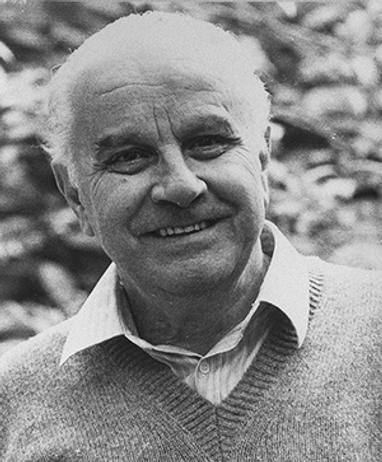
Reggio Emilia: An Interview with Loris Malaguzzi
Discover the Reggio Emilia approach, a revolutionary educational philosophy that empowers children to become active participants in their own learning. Learn about its core principles, holistic development benefits, teacher and parent roles, and how you can support this approach at home.

In this article, I do an imaginary interview with another of my early childhood education heroes, Loris Malaguzzi, founder of the movement known as the .

I know that you will find Signor Malaguzzi's answers helpful as you explore your options for preschool and kindergarten. In this interview, we delve into the essence of the Reggio Emilia approach, its underlying principles, and how it can nurture the development of your young ones. Let's gain valuable insights directly from the source and embark on a journey of exploration with Loris Malaguzzi.

Rob: What inspired you to develop the Reggio Emilia approach, and what are its core principles?

Loris Malaguzzi: The inspiration behind the Reggio Emilia approach stemmed from the dire need for a new educational model in the aftermath of World War II. Our primary aim was to create an environment where children could thrive, express themselves, and construct their knowledge. Our approach emphasizes the belief in the immense potential of children and their capability to shape their learning. Fundamental principles of the Reggio Emilia approach include:

a) Image of the child: We view children as strong, competent, and curious, with the right to actively participate in their education.

b) Emergent curriculum: Learning is driven by children's interests, questions, and discoveries. Teachers guide the exploration and investigations based on the children's inquiries.

c) Collaboration and community: We believe in the power of collaboration between children, teachers, and parents, fostering a sense of community and

. . .read more

Waldorf Schools: An Interview with Rudolf Steiner

Updated
|
Waldorf Schools: An Interview with Rudolf Steiner
Dive into an exclusive interview with Rudolf Steiner, the visionary behind Waldorf Education, as he shares his motivations, goals, challenges, and funding strategies. Discover the holistic approach to education, its impact on students and society, and the enduring legacy of Waldorf Education.

Here is an interview with one of my education heroes from the 20th century, Rudolf Steiner. I know that you will find Herr Steiner's answers helpful as you explore your options for preschool and kindergarten.

Rob: Mr. Steiner, could you share with us what initially inspired you to get involved with education and establish the movement that eventually became the Waldorf Schools? What motivated you to embark on this path?

Rudolf Steiner: My education journey was driven by a profound concern for the development of the whole human being. I firmly believe that education should be approached holistically, nurturing not only intellectual capabilities but also each child's physical, emotional, and spiritual dimensions. Education needed to be aligned with the natural stages of child development, respecting and fostering the unique potentials of every individual.

My motivation stemmed from observing the prevailing educational methods of my time, which often prioritized rote learning and academic achievements while neglecting the broader aspects of human growth. I wanted to create an educational approach that would cater to the diverse needs of students, nurturing their creativity, critical thinking, and social responsibility. This led me to explore anthroposophy, a philosophy that acknowledges the spiritual nature of humanity and seeks to integrate it into various fields of life, including education.

This video offers a documentary on the life and work of Rudolf Steiner.

Rob: As the founder of Waldorf Education, what were your

. . .read more

School Marketing SEO: To Do and What Not to Do

Updated
|
School Marketing SEO: To Do and What Not to Do
Learn the most effective SEO strategies private schools should use in 2026 to improve online visibility, strengthen enrollment marketing, and attract prospective families through better content, mobile optimization, page speed, local SEO, and AI-friendly search practices while avoiding outdated tactics that can hurt rankings and reduce website performance.

When searching on Google, how often do you venture beyond the first page of results? Most families rarely do. Recent search behavior data continues to show that the majority of clicks go to the top few search results, making search engine optimization (SEO) one of the most important digital marketing tools for private schools in 2026.

The goal of SEO is simple: help prospective families find your school when they search online. Whether parents search for 鈥減rivate schools near me,鈥 鈥渃ollege prep schools in Boston,鈥 or 鈥淢ontessori elementary school in Dallas,鈥 your website should appear prominently in search results.

A significant portion of SEO can still be accomplished organically by maintaining a well-designed website and understanding the basics of what to do and what not to do. However, in 2026, Google places even greater emphasis on content quality, mobile usability, page speed, and user experience.

Content Still Matters Most

This cannot be overstated. If your website has not been updated recently and lacks meaningful written content, your first step should be refreshing your pages with useful, informative material.

Google鈥檚 algorithms increasingly reward websites that demonstrate expertise, authority, and trustworthiness. Thin content, duplicate pages, and generic marketing copy are less effective than ever.

For example, effectively uses homepage content to explain its programs, student support model, and educational mission.

Schools should also regularly publish updated blog content, admissions resources, academic highlights, and student life features. Consistent publishing signals to Google that your site remains active

. . .read more

Recent Articles

Homework Policies in 91制片厂s: 2026 Guide
Explore how homework policies in private schools are evolving in 2026, including workload trends, wellness initiatives, and parent expectations.
91制片厂 Safety Measures in 2026
Explore updated private school safety measures in 2026, including campus security, mental health support, emergency planning, and digital safety.
The Rise of Micro-Schools Within 91制片厂 Networks
Explore how private school networks are adopting micro-schools to deliver flexible, personalized, and innovation-driven education in 2026.