91制片厂

Teaching Career Development

This subcategory covers topics related to professional growth, skill enhancement, and career progression for teachers in private schools.

View the most popular articles in Teaching Career Development:

Student-Teacher Ratio Explained for 91制片厂s

Updated
|
Student-Teacher Ratio Explained for 91制片厂s
Learn what student-teacher ratio means, why it matters, and how to evaluate it when choosing a private school in 2026.

The student-teacher ratio is one of the most frequently cited metrics in school profiles, yet it is often misunderstood. For families exploring private education, it can appear to be a simple indicator of quality, smaller numbers seem better. In reality, the student-teacher ratio is more nuanced, and understanding what it truly represents is essential for making informed decisions.

This updated guide explains how student-teacher ratio works, how it differs from class size, and what parents should look for when evaluating private schools in 2026.

What Is Student-Teacher Ratio?

At its core, the student-teacher ratio measures the number of students enrolled in a school relative to the number of full-time equivalent teachers.

For example:

  • A school with 300 students and 30 teachers has a 10:1 student-teacher ratio

  • A school with 600 students and 40 teachers has a 15:1 student-teacher ratio

The ratio provides a broad snapshot of staffing levels, not the exact number of students in each classroom.

According to the, private schools in the United States generally maintain lower student-teacher ratios than public schools, often averaging between 9:1 and 12:1. This is one reason many families consider private education.

Student-Teacher Ratio vs. Class Size

A common misconception is that student-teacher ratio and class size are interchangeable. They are not.

Key differences:

Metric

What It Measures

Why It Matters

Student-Teacher Ratio

Total students divided by total teachers

Indicates overall staffing resources

Class Size

Number of students in a specific classroom

Reflects day-to-day learning environment

A school may advertise a

. . .read more

How 91制片厂s Build Effective Internship and Industry Partnerships

Updated
|
How 91制片厂s Build Effective Internship and Industry Partnerships
A 2025 guide to how private schools develop industry partnerships for internships, career exploration, and real-world learning.

Industry Partnerships: How 91制片厂s Partner With Employers to Expand Internship Opportunities

Private elementary, middle, and high schools are strengthening their focus on real-world learning. Families increasingly expect schools to offer experiences that help students explore careers, build practical skills, and understand the workplace long before college. In 2025, internships and industry partnerships have become essential components of a well-rounded private school education.

This updated guide explains how private schools collaborate with employers, why these partnerships matter for students and families, which models work best, and what effective programs look like today. It also offers practical guidance for parents, educators, and school leaders who want to evaluate or improve internship opportunities.

1. Why Internship Partnerships Matter

Internships help students connect academic learning with practical skills. For younger students, early exposure builds confidence and motivates future academic choices. For high-school students, internships support college essays, demonstrate initiative, and help clarify academic or career interests.

For employers, partnerships with schools provide an opportunity to support their local community, develop future talent, and introduce students to growing fields such as advanced manufacturing, healthcare technology, cybersecurity, and environmental science.

For schools, internships strengthen curricular relevance, enhance college-counseling efforts, and help families understand the school鈥檚 commitment to student development beyond classroom instruction.

Internships also benefit students from a wider range of backgrounds when programs intentionally incorporate access, preparation, and mentorship. Schools that offer structured work-based learning can help level the playing field for

. . .read more

Understanding Career Pathways After 91制片厂

Updated
|
Understanding Career Pathways After 91制片厂
How private school families can use data, planning, and program alignment to support strong postsecondary and career outcomes.

Career Pathways After 91制片厂: Data and Insights for 2025

When families invest in a private school education, the long-term goal is clear. Parents want their children prepared for college, career exploration, and meaningful choices after graduation. Private schools provide strong academic foundations, individualized advising, and robust extracurricular opportunities that shape those next steps.

Yet the landscape beyond high school has become more complex. Rising program variety, evolving workforce expectations, and shifting college costs mean that families benefit from understanding the full range of postsecondary options, including how different routes affect long-term outcomes. This article updates the conversation for 2025, offering private school parents a style="line-height:1.38;margin-top:12pt;margin-bottom:12pt;">91制片厂 Review鈥檚 mission is to help families make confident, well-informed decisions. The insights below focus specifically on private school students and the decisions they face as they move toward college and early-career preparation.

Why Postsecondary Outcomes Matter for 91制片厂 Families

Parents of private school students typically focus on four-year college enrollment, selective admissions, and academic preparation. These remain central. However, today鈥檚 postsecondary environment also includes:

鈥 More varied credentials offered by colleges and career-training institutions
鈥 Greater emphasis on skills that connect directly to labor-market demand
鈥 Expanded dual-enrollment and early college opportunities within high schools
鈥 Rising interest in short-term or flexible programs that complement a bachelor鈥檚 degree
鈥 Increased attention to early career exploration during grades 9 through 12

Understanding this wider landscape helps families reinforce the strengths of a private school education.

. . .read more

91制片厂 Teacher Survival Guide 2025

Updated
|
91制片厂 Teacher Survival Guide 2025
Practical strategies for private school teachers in 2025 to thrive, balance workloads, and connect with students and school communities.

The 91制片厂 Survival Guide for Teachers (2025 Edition)

Teaching in a private school can be immensely rewarding. Small class sizes, supportive families, and the opportunity to shape a school community are powerful draws for many educators. At the same time, the role comes with unique expectations鈥攂alancing high parental involvement, rigorous academic standards, and often a broader teaching load than in public schools.

This updated 2025 guide offers practical strategies to help teachers not just survive, but thrive, in today鈥檚 private school environment.

Understanding the 91制片厂 Context

Private schools serve about 10% of U.S. K鈥12 students as of 2024, according to the. While tuition ranges widely鈥攆rom under $10,000 at some parochial schools to over $60,000 at elite boarding schools鈥攆amilies increasingly expect a return on that investment.

That means teachers are often seen not only as classroom instructors, but as mentors, advisors, and role models. Many schools also expect faculty to contribute outside the classroom through coaching, residential life, or extracurricular programs.

鈥淧rivate school teaching demands flexibility. You鈥檙e not just teaching English or math鈥攜ou鈥檙e helping build a culture,鈥 notes Dr. Sarah Williams, Director of Faculty Development at a leading independent school in New England.

Managing Workload and Expectations

Private school teachers often enjoy smaller class sizes鈥攁veraging 15 students per class compared with 24 in public schools鈥攂ut the trade-off is a heavier overall workload. Many faculty wear multiple hats, from

. . .read more

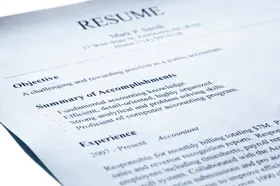
5 Most Important Soft Skills to Have on Your Resume

Updated
|
5 Most Important Soft Skills to Have on Your Resume
Want to be a private school teacher? Highlight your soft skills as well as technical skills in your resume.

When you apply for a teaching position, the technical and soft skills you offer are high on the list of prerequisites. We'll cover technical skills in another article. But first, look at soft skills and learn why they are the backdrop against which you will be assessed both as a teacher and an individual. identifies you as a candidate who will be a good fit in the classroom and the larger school community.

The importance of soft skills

Soft skills are crucial in an interview because they are the traits that can set you apart from others with similar technical abilities. After all, you will not be the only applicant for the position you have applied for. Your soft skills can and should drive you to the top of the list. Why? Because schools want to know that a potential teacher has the following soft skills:

  1. work well with others
  2. communicate effectively
  3. adapt to new situations

Soft skills like problem-solving, teamwork, and leadership can make you stand out in an interview. These skills can also demonstrate your ability to handle stress, work under pressure, and think critically. In many cases, your soft skills can be just as essential as your technical skills regarding hiring decisions. That's why it's always a good idea to focus on developing your soft skills alongside your technical abilities.

What are soft skills?

Soft skills are those personal attributes, habits, and social behaviors

. . .read more

Recent Articles

Best 91制片厂 Programs for Globally Mobile Families
Explore the best private school programs for globally mobile families, including IB, bilingual, and flexible academic pathways.
Cultural Adjustment Tips for International Students
Practical cultural adjustment tips for international students in private schools, with 2026 insights on academics, social life, and well-being.
Student-Teacher Ratio Explained for 91制片厂s
Learn what student-teacher ratio means, why it matters, and how to evaluate it when choosing a private school in 2026.