
For the 2026 school year, there are 3 private schools serving 788 students in Fitchburg, MA (there are , serving 6,854 public students). 10% of all K-12 students in Fitchburg, MA are educated in private schools (compared to the MA state average of 12%).
The top-ranked private schools in Fitchburg, MA include St. Bernard's High School, Applewild School, and St. Bernard Elementary School.
The average acceptance rate is 95%, which is higher than the Massachusetts private school average acceptance rate of 71%.
67% of private schools in Fitchburg, MA are religiously affiliated (most commonly Catholic).




Top-Ranked Fitchburg 91制片厂s (2026)
School
Location
Quick Facts
120 Prospect St
Fitchburg, MA 01420
(978) 342-6053
Fitchburg, MA 01420
(978) 342-6053
Gr: PK-9 | 345 students Avg. class size: 12 students Sports: 6 | Extracurrculars: 7 Tuition & acceptance rate listed
254 Summer Street
Fitchburg, MA 01420
(978) 342-1948
Fitchburg, MA 01420
(978) 342-1948
Gr: PK-8 | 245 students Sports: 6 | Extracurrculars: 2 Tuition & acceptance rate listed
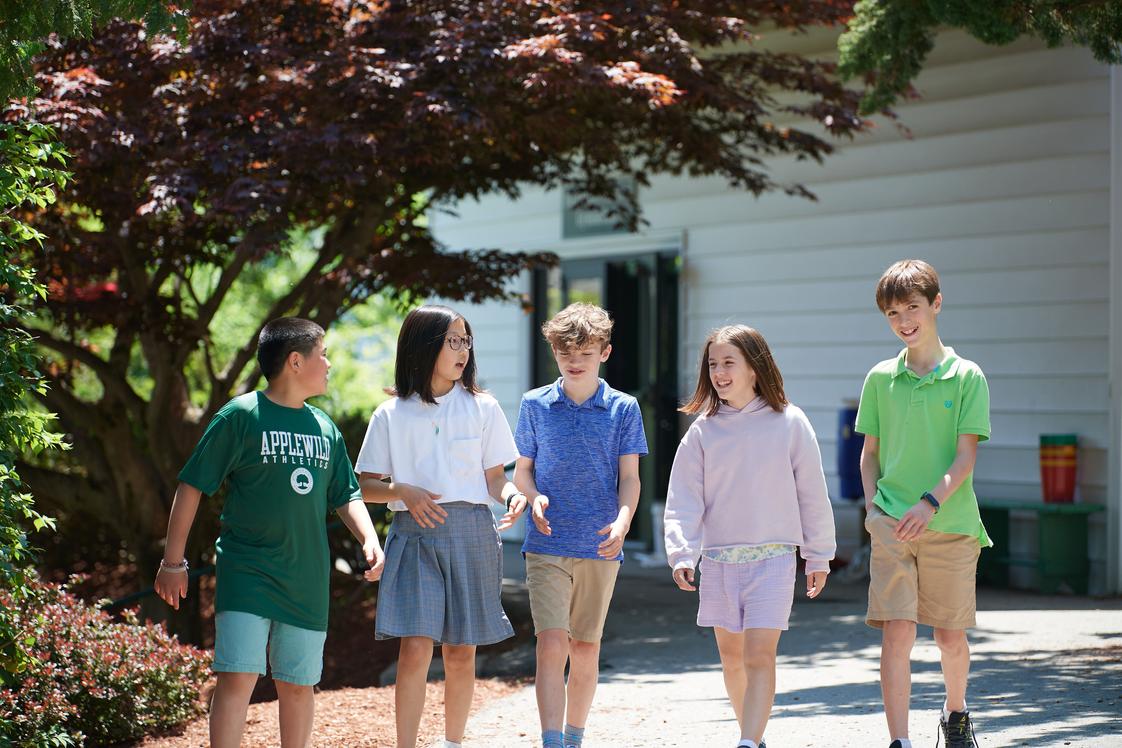
45 Harvard Street
Fitchburg, MA 01420
(978) 342-3212
Fitchburg, MA 01420
(978) 342-3212
Gr: 9-12 | 198 students Avg. class size: 16 students Sports: 11 | Extracurrculars: 15 Tuition listed
Fitchburg, Massachusetts 91制片厂s (Closed)
School
Location
Quick Facts
Notre Dame Preparatory School (Closed 2017)
(Catholic)
171 South St
Fitchburg, MA 01420
(978) 343-7635
Fitchburg, MA 01420
(978) 343-7635
Gr: 7-12 | 25 students Tuition listed
St. Joseph School (Closed 2006)
(Catholic)
35 Columbus Street
Fitchburg, MA 01420
(978) 343-3630
Fitchburg, MA 01420
(978) 343-3630
Gr: PK-8 | 142 students
Overview
This Town (Fitchburg)
This State (MA)
# Schools
3 Schools
Student Body:
# Students
788 Students
127,053 Students
% Average Students of Color
23%
31%
Academics and Faculty:
# Teachers
86 Teachers
15,734 Teachers
Average Student-Teacher Ratio
9:1
8:1
% Average Faculty w/Advanced Degree
80%
67%
Average Class Size
14 students
14 students
Average Number of AP Courses
8 courses
16 courses
Tuition and Acceptance Rate:
Average Yearly Tuition Cost
$16,317
$26,352
Average % on Financial Aid
56%
36%
Average Financial Aid Grant
$15,000
$17,299
Average Acceptance Rate
95%
71%
Students by Ethnicity:
Diversity Score
0.49
0.63
# American Indian Students
n/a
187 Students
% American Indian Students
n/a
n/a
# Asian Students
41 Students
6,792 Students
% Asian Students
5%
6%
# Hispanic Students
38 Students
7,583 Students
% Hispanic Students
5%
6%
# Black Students
35 Students
8,704 Students
% Black Students
4%
7%
# White Students
549 Students
67,962 Students
% White Students
70%
54%
# Hawaiian Students
n/a
83 Students
% Hawaiian Students
n/a
n/a
# Two or more races Students
n/a
n/a
% of Two or more races Students
n/a
n/a
# Others Students
125 Students
33,526 Students
% of Others Students
16%
27%
All Ethnic Groups
Extracurriculars and Sports:
Average Number of Extracurriculars
8 extracurriculars
13 extracurriculars
Average Number of Sports
8 sports
9 sports
Frequently Asked Questions
What are the top-ranked private schools in Fitchburg, MA?
The top-ranked private schools in Fitchburg, MA include St. Bernard's High School, Applewild School, and St. Bernard Elementary School.
How many private schools are located in Fitchburg?
3 private schools are located in Fitchburg.
What percentage of students in Fitchburg go to private school?
10% of all K-12 students in Fitchburg are educated in private schools (compared to the MA state average of 12%).
What percentage of private schools are religiously affiliated in Fitchburg?
67% of private schools in Fitchburg are religiously affiliated (most commonly Catholic).
Recent Articles
Homework Policies in 91制片厂s: 2026 Guide
Explore how homework policies in private schools are evolving in 2026, including workload trends, wellness initiatives, and parent expectations.
91制片厂 Safety Measures in 2026
Explore updated private school safety measures in 2026, including campus security, mental health support, emergency planning, and digital safety.
The Rise of Micro-Schools Within 91制片厂 Networks
Explore how private school networks are adopting micro-schools to deliver flexible, personalized, and innovation-driven education in 2026.